

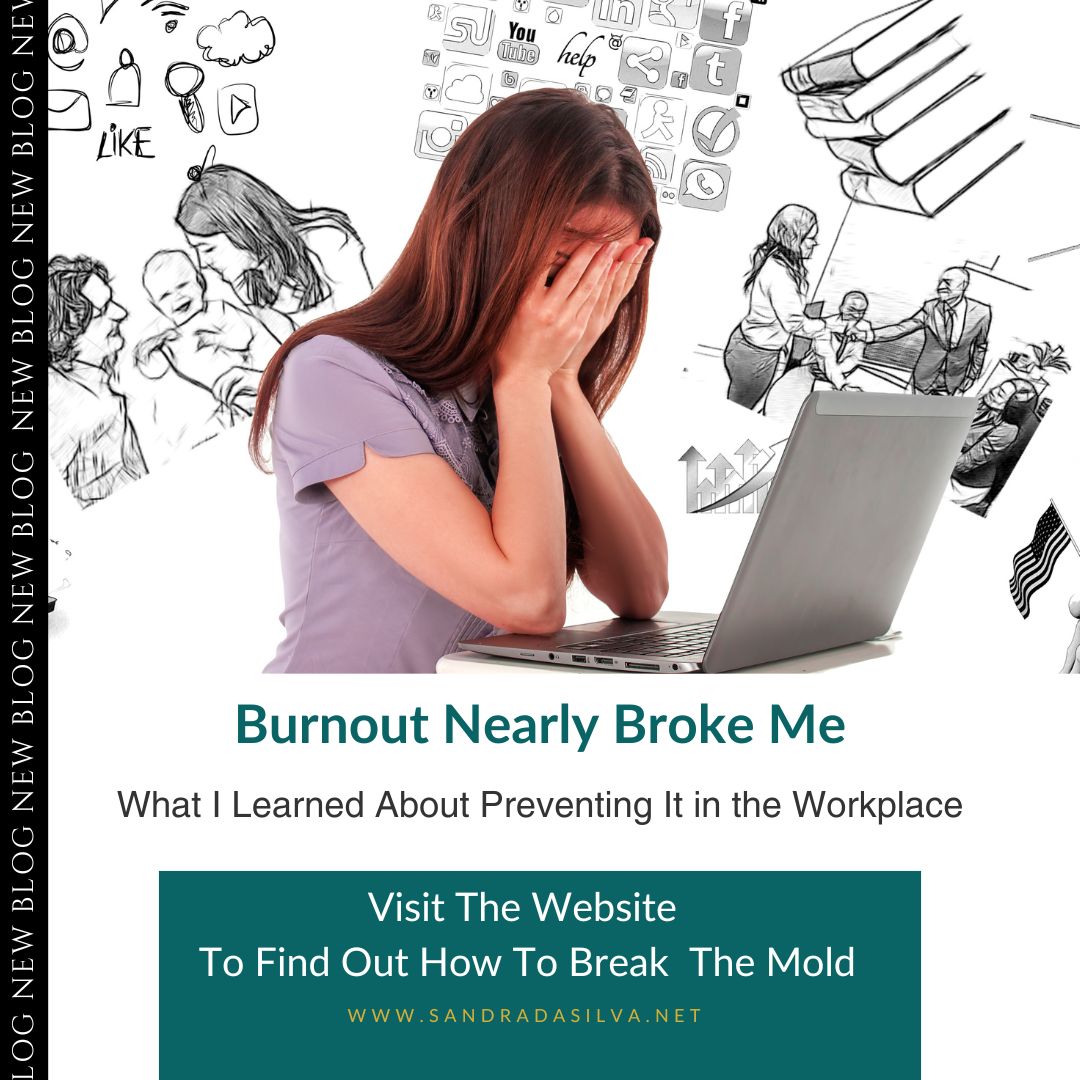
I’ll never forget the day I realised I was burnt out. Not only was I tired, but I was also mentally drained, emotionally detached, and operating on autopilot. I had always prided myself on being resilient, someone who could juggle meetings, deadlines, and the endless to-do list with a smile. But behind the smile was someone barely holding it together.
It wasn’t one big thing that caused it—it was the constant pressure, the blurred boundaries between work and life, and the guilt I felt any time I considered slowing down. It crept in quietly, disguised as productivity, until I hit a wall I couldn’t push through anymore.
Burnout Is More Common Than We Think
My story isn’t unique. In fact, it’s become the norm for too many professionals today. A 2023 survey by isolved found that 65% of employees reported feeling burnt out, and 72% admitted it was affecting their job performance. Another 2024 report from Grant Thornton showed a 15-point increase in burnout, with more than half of employees suffering in silence.
The impact is both human and financial—burnout costs the U.S. up to $190 billion each year in healthcare spending. But behind those numbers are people like you and me—people who once loved their work but found themselves running on empty.
What Caused My Burnout—and What Might Be Causing Yours
Looking back, the warning signs were there:
- Working late almost every night.
- Feeling like taking a break meant I wasn’t doing enough.
- A constant internal pressure to “keep up” and stay visible.
- Not feeling seen or recognised for the effort I was putting in.
According to recent data, I’m not alone. Over 63% of workers say mental and emotional stress is the number one cause of burnout. Others point to long work hours, lack of recognition, and poor management.
The Turning Point: Rediscovering Well-being
The truth is, I didn’t bounce back overnight. It took stepping away, reassessing my values, and rebuilding not just my schedule—but my mindset.
But what helped me most was engaging in well-being practices that supported me holistically—mentally, emotionally, and even spiritually. And when I began implementing similar tools in the workplace—both for myself and others—I saw the ripple effect.
Why Every Workplace Needs a Well-being Program
Well-being programs aren’t just a “nice to have”. They are essential. Here’s why:
- Companies with strong well-being programs report 25% higher productivity and 22% more employee satisfaction.
- Employees feel more engaged, take fewer sick days, and are more likely to stay long-term.
- Most importantly? They feel human again—valued, supported, and able to thrive.
What Prevention Actually Looks Like
Preventing burnout isn’t about spa days or surface-level fixes. It’s about creating a culture of care. Here’s what I now champion in my work:
- Flexible work arrangements – Remote or hybrid options, adjusted hours, and true respect for work-life balance.
- Emotional intelligence training for leaders – Managers must be equipped to notice when someone is struggling and know how to respond.
- Access to mental health support – Whether that’s therapy, mindfulness sessions, or simply time off without guilt.
- Recognition and meaningful connection – A thank-you goes a long way. So does asking, “How are you, really?”
A Final Word from Someone Who’s Been There
If you’re feeling the weight of burnout, please know you’re not alone—and it’s not a personal failure. Burnout is a system issue, and it’s time we treat it like one. We need to lead with compassion, create structures that prioritise well-being, and remember that productivity means nothing without people who feel good doing the work.
You don’t have to wait for rock bottom to make a change. You can start today—with one conversation, one pause, and one act of care.
If I’ve learnt anything, it’s this: when we invest in people, we all rise.