
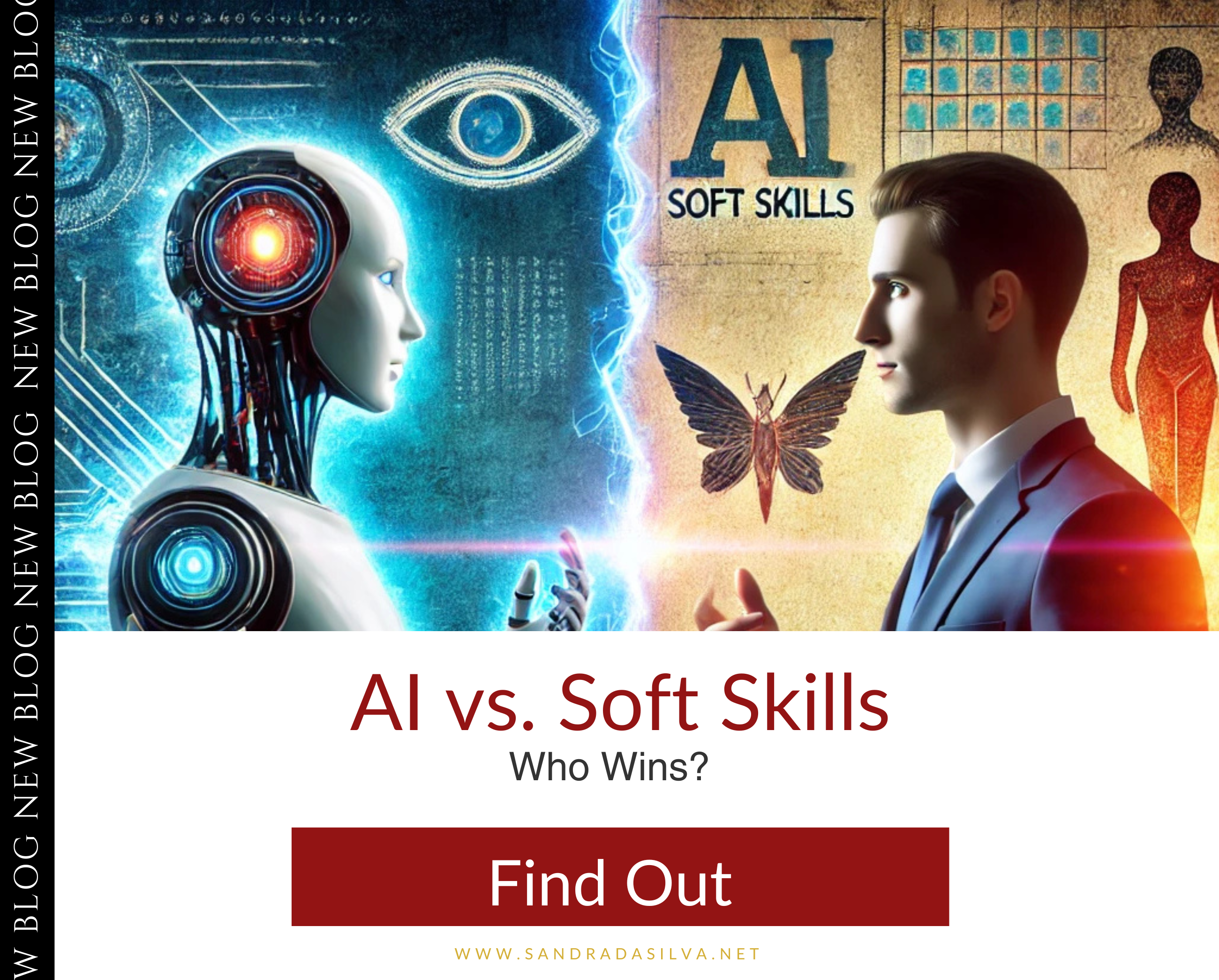
As I look at the fast-paced advancements in technology, especially in artificial intelligence, I can’t help but notice the debates spinning around human skills and employability. With AI’s capabilities evolving every day, the big question many of us face is: will our uniquely human soft skills continue to be valuable, or will AI ultimately take over in the workplace?
Soft skills—those essential “human skills” like communication, emotional intelligence, and adaptability—form the backbone of effective collaboration and problem-solving. These are the skills that allow us to connect, empathize, and think critically. And while AI can tackle many tasks, can it really replace these distinctly human attributes?
On the AI side, we’ve seen impressive advances. AI-driven tools and systems are streamlining repetitive work, from data analysis to customer service. Automated chatbots, for instance, now handle routine inquiries with remarkable efficiency, and machine learning algorithms are uncovering patterns we might have missed. But despite these gains, AI still struggles with understanding nuanced emotions, managing complex social dynamics, and exhibiting genuine creativity and empathy. This is where soft skills hold their ground.
So, what do we stand to gain if we combine our human strengths with AI’s technological muscle? Here are a few ways I believe this hybrid approach can unlock incredible potential:
- Enhance, Don’t Replace
AI’s ability to automate routine tasks doesn’t make soft skills obsolete; it actually amplifies their importance. With AI handling the mundane, we have more time to focus on tasks that require intuition, emotional intelligence, and strategic thinking. Imagine a workplace where AI organizes data, while we build relationships, make ethical decisions, and solve complex problems. By using AI to enhance our roles rather than replace them, we can become more effective and engaged. - Leverage Empathy and Creativity
While AI can analyze data, it can’t truly “feel” or empathize. Empathy and creative problem-solving remain critical in fields like management, healthcare, education, and any other role where people are at the center. By honing these soft skills, we add a layer of value that AI simply cannot replicate, positioning ourselves as leaders who inspire trust and engagement. - Mastering Hybrid Skills
Those of us who blend technical skills with strong soft skills will be the ones to watch. Understanding AI fundamentals while excelling in collaboration, communication, and problem-solving will open doors to careers that didn’t exist just a few years ago. Imagine working as an AI “interpreter,” someone who translates complex AI data into actionable human insights or leads teams through AI-driven transformations. The future workforce needs people who are as comfortable with machines as they are with people.
In the end, the winners in this evolving landscape will be those who embrace the synergy between soft skills and AI, rather than viewing them as opposing forces. Soft skills give us the adaptability, empathy, and ethical grounding that AI lacks, making us more resilient in an ever-changing world. By leaning into this hybrid approach, we’re positioning ourselves for success in a future that values both technological savvy and the irreplaceable touch of human ingenuity.
So as we move forward, let’s make it a goal to cultivate our uniquely human qualities right alongside our AI capabilities. This isn’t just about keeping up with technology; it’s about making sure that, as humans, we bring something essential to the table that no algorithm can replace.
In this era of rapid change, it’s our soft skills that will help us not just survive but thrive.