
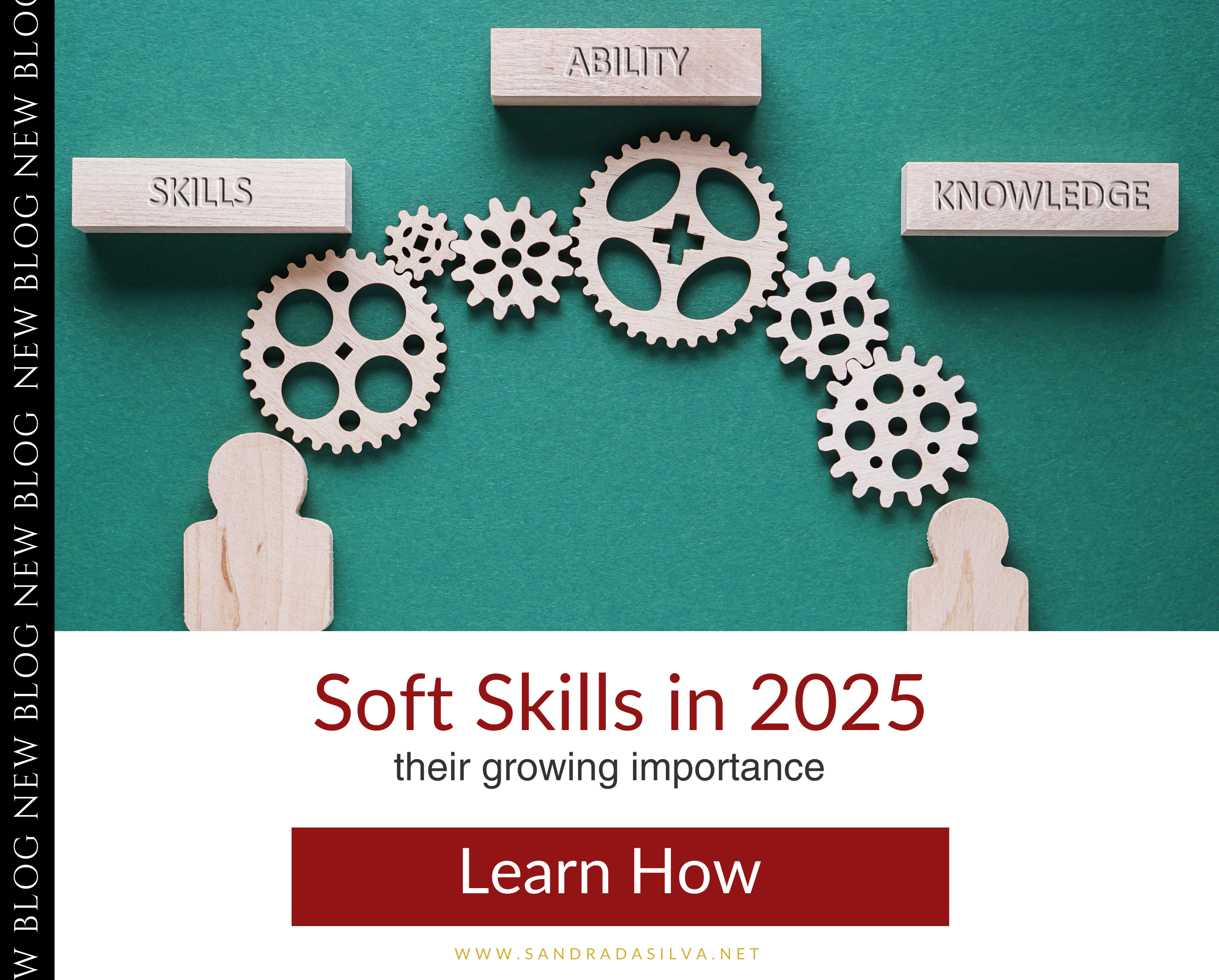
Soft skills have always been important in business, but in the last few years it has become clear just how much more important they have become to the changing needs of the workplace.
As we step into 2025, the world of work is more dynamic and unpredictable than ever. With rapid technological advances, the push towards more global and diverse workplaces, and the continued shift to remote work, one thing is becoming clearer—soft skills are no longer just “nice to have.” They’re essential.
Employers still value technical expertise, but they’re now also prioritizing people who bring more than just knowledge to the table. In fact, being skilled at things like communication, adaptability, and emotional intelligence is often what sets top candidates apart. Here’s why soft skills are more important than ever and how they’re shaping the workforce in 2025.
Thriving Through Constant Change
Change is the new constant, and being adaptable has become one of the most valuable traits in the workplace. Whether it’s learning a new tool, adjusting to industry shifts, or navigating unexpected challenges, adaptability helps you stay ahead. Employers know that people who can embrace change and pivot when needed bring resilience and a positive outlook, both of which are crucial for long-term success.
When you’re adaptable, you’re able to approach each new obstacle or opportunity with an open mind, making you invaluable in any team setting.
Bridging Borders, Building Bonds
The world is more connected than ever, which means communication skills are no longer just about speaking or writing well—they’re about understanding others on a deeper level. In 2025, professionals are often working across different countries and cultures, sometimes without even meeting face-to-face. This requires empathy, active listening, and cross-cultural awareness.
Effective communicators can bridge cultural gaps and create strong, trusting relationships, whether they’re in person or over video calls. This skill is essential for building diverse and collaborative teams that thrive, no matter where each member is located.
Tackling Challenges Head-On
As automation takes on more repetitive tasks, there’s an increasing demand for people who can approach complex problems with fresh and innovative solutions.
Employers are looking for people who can bring a new perspective and think beyond the obvious, using creativity and analysis to find unique solutions. If you’re someone who loves to dig deep into a problem and think creatively, these skills can set you apart and make you a valuable asset to any organization.
Collaboration Beyond Boundaries
The shift to remote work has shown just how crucial collaboration is in today’s world. While technology helps keep us connected, it can’t replace the genuine connections and trust that come from working together. That’s why teamwork, collaboration, and conflict resolution are more important than ever in a remote setting.
When professionals can cultivate friendship and team spirit, even through screens, they help create a strong, unified team that’s resilient in the face of challenges.
Putting People First
In today’s competitive business world, customer experience can make or break a business. Companies that put their customers at the center of everything build stronger, lasting relationships. Soft skills like empathy, patience, and proactive problem-solving allow professionals to connect with clients, anticipate their needs, and provide truly personalized service. Professionals who make their clients feel valued, heard, and understood are integral to building loyalty, which in turn drives business success.
The Path Forward
As we head into 2025, the importance of soft skills is only growing. In a world that’s constantly in motion, individuals who can adapt, communicate, lead, solve problems, and collaborate effectively will be the ones who thrive. Employers increasingly recognize that technical expertise alone isn’t enough; the key to a resilient, successful team lies in a combination of hard skills and strong, people-centered soft skills. Investing in our own soft skills development isn’t just about career growth—it’s about crafting a more empathetic, adaptable, and inclusive professional world for the future.
So, as we gear up for the year ahead, let’s commit to honing our adaptability, deepening our empathy, and embracing the art of connection.
Because in 2025, it’s not just about being skilled—it’s about being human.